
How to Build a Simple Workout Corner at Home
A dedicated workout corner can make exercise easier to start and simpler to maintain. You do not need a large room, expensive machines, or a full home gym. With a small amount of planning, an unused corner can become a comfortable space for stretching, strength exercises, yoga, or short cardio sessions.
The goal is to create an area that is easy to access, safe to use, and inviting enough to encourage regular movement. Here is how to build a simple workout corner that works for your home and your routine.
Choose the Right Location
Start by looking for a space that gives you enough room to move comfortably. This could be part of a bedroom, living room, home office, basement, or even a section of a larger hallway.
Choose a location based on these factors:
– Available floor space: You should be able to stand, stretch, and move your arms without hitting furniture or walls.
– Lighting: Natural light can make the area feel more pleasant, but a well-lit corner also works.
– Ventilation: A nearby window or fan can help keep the area comfortable.
– Floor type: A firm, even surface is usually better than a thick, unstable carpet.
– Convenience: A location you pass regularly may remind you to exercise.
Before placing equipment, measure the available area. Even a space about six feet by six feet can work for many basic exercises, depending on the equipment and movements you plan to do.
Clear and Prepare the Space
Once you select a location, remove items that could create distractions or safety concerns. Move small tables, loose decorations, cords, and unnecessary storage containers out of the way.
Clean the floor and check that it is level. If the area has a slippery surface, consider adding a workout mat. A mat can provide more grip, define the workout zone, and make floor exercises more comfortable.
You can also make the corner feel more intentional by adding simple visual touches, such as:
– A small basket for towels
– A wall hook for resistance bands
– A mirror for checking general form and positioning
– A plant or framed print
– A small clock or timer
Keep decorations limited. The main purpose of the space is movement, so avoid filling it with items that reduce usable floor area.
Select Basic Equipment
You do not need to buy everything at once. Begin with a few versatile items that support different types of workouts.
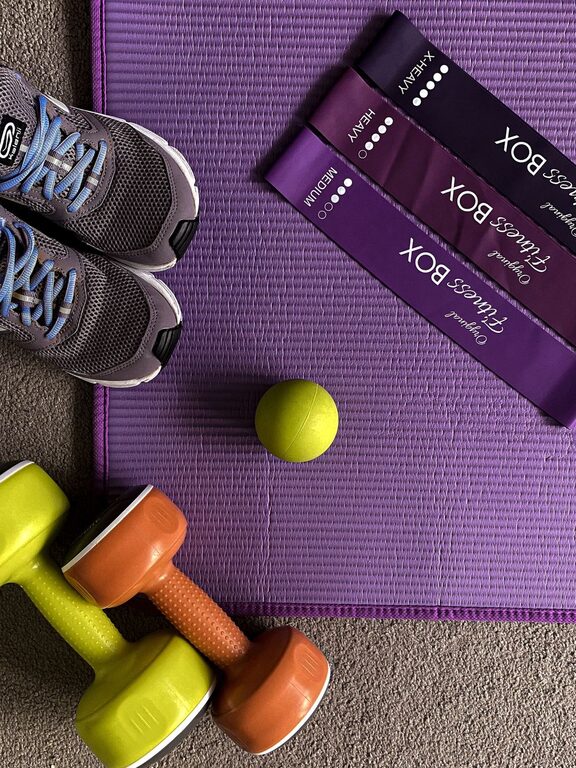
A Workout Mat
A mat is one of the most useful additions to a home workout corner. It creates a clear surface for stretching, bodyweight exercises, and floor-based routines.
Look for a mat that:
– Fits your available space
– Has a surface that does not slide easily
– Is thick enough to provide comfort
– Can be cleaned without much effort
– Rolls or folds for simple storage
If you have limited room, choose a foldable mat that can be stored behind a door or under a bed.
Resistance Bands
Resistance bands are lightweight, affordable, and easy to store. A small set can support many exercises for the upper body, lower body, and core.
Choose bands with different resistance levels so you can adjust the challenge. Store them in a small container, drawer, or wall-mounted basket. Check them regularly for cracks, tears, or signs of wear.
Light Weights
A pair of light dumbbells can add variety to basic movements. Adjustable dumbbells may save space, while traditional pairs are often simple to use and store.
If you do not want to purchase weights immediately, you can begin with bodyweight exercises. The most useful equipment is the equipment you can use consistently, so avoid buying items that will crowd the area or go unused.
Optional Additions
After using your workout corner for a few weeks, you may decide whether you need more equipment. Useful additions can include:
– A jump rope, if you have enough overhead clearance
– A stability ball
– An exercise step
– Ankle weights
– A foam roller
– A small bench
Add new items gradually. Each piece should serve a clear purpose and fit comfortably in the space.
Plan Smart Storage
Good storage keeps the corner tidy and makes it easier to begin a workout. If equipment is scattered across the floor, the space can quickly become inconvenient.
Try one or more of these storage ideas:
– Use a vertical shelf for small equipment.
– Place weights in a sturdy, low container.
– Hang bands and jump ropes from wall hooks.
– Store a rolled mat in a tall basket.
– Use a storage bench that can also provide seating.
– Keep a towel and water bottle in one small tray.
Leave enough open floor space for exercise. Storage should support the workout area rather than take it over. If you share the room with other household activities, choose storage that makes the corner easy to pack away when needed.
Make the Area Safe
Safety should be part of the setup from the beginning. Keep the floor free of clutter and make sure equipment is in good condition.
Before each session:
– Check that the mat is flat and not sliding.
– Move nearby furniture out of your range of motion.
– Make sure bands and straps are free from visible damage.
– Place weights where they will not roll or create a tripping hazard.
– Keep drinks and electronic devices away from the main movement area.
– Use stable shoes or exercise barefoot only when the surface is suitable.
If you use a mirror, position it securely and avoid placing it where equipment could strike it. For exercises that involve jumping or standing overhead, check the ceiling height and nearby light fixtures.
Create a Simple Workout Routine
A workout corner is more useful when you have a clear plan for using it. You do not need a complicated program. A simple routine can include a warm-up, a few strength movements, and a short cool-down.
For example, a basic session might include:
- **Warm-up:** Gentle marching, arm circles, and easy bodyweight movements.
- **Lower-body exercises:** Squats or controlled step-ups.
- **Upper-body exercises:** Resistance band rows or light presses.
- **Core exercises:** Planks or other comfortable floor-based movements.
- **Flexibility work:** Gentle stretches and relaxed breathing.
Keep the first few sessions manageable. Focus on learning the movements and building a regular habit rather than trying to fill every minute with exercise. A short session that you repeat is often more useful than an ambitious routine that is difficult to maintain.
Use the Space Consistently
The best workout corner is one that fits naturally into your daily life. Decide when you are most likely to use it and make that time part of your routine.
You could exercise:
– Before starting work
– During a lunch break
– After finishing household tasks
– In the early evening
– While listening to music or a podcast
Keep a towel, mat, or resistance bands visible if that reminder helps you stay consistent. At the same time, the area should remain neat enough that setting up does not feel like another chore.
Every few weeks, review how the space is working. Remove equipment you never use, adjust storage, and make small changes that improve comfort and convenience.
Start Small and Improve Over Time
Building a home workout corner does not require a large budget or a complete equipment collection. Begin with a clear area, a comfortable mat, and one or two versatile tools. Then use the space regularly before deciding what to add.
A practical setup is more valuable than an impressive one. By choosing the right location, organizing equipment carefully, and creating a simple routine, you can turn a small part of your home into a reliable place for movement.
