
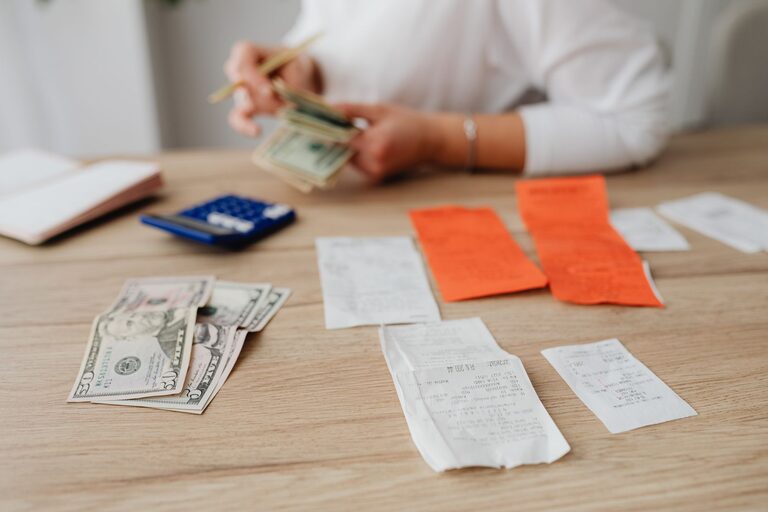
Simple Budget Habits for Everyday Life
Managing everyday spending does not have to involve complicated spreadsheets or strict rules. A simple budget is a plan for how you want to use your money. It can help you understand where your money goes, prepare for regular expenses, and make room for the things that matter most to you.
The most useful budget is one you can follow consistently. Start with small habits, keep the process practical, and adjust your approach as your needs change.
Start With a Clear Picture
Before changing your spending, take some time to understand your current habits. Review recent bank statements, receipts, and bills. Look for patterns rather than judging individual purchases.
Write down:
– Regular income
– Monthly bills
– Everyday spending
– Occasional expenses
– Existing savings goals
– Payments that happen automatically
This overview can reveal expenses that are easy to forget, such as subscriptions, delivery fees, annual memberships, or seasonal bills. A clear picture gives you a useful starting point.
Use Simple Spending Categories
You do not need dozens of categories. A short list is often easier to maintain. Consider grouping expenses into:
– Housing and household bills
– Food and groceries
– Transportation
– Personal and family needs
– Entertainment
– Savings
– Other or occasional costs
The goal is not to record every detail perfectly. The goal is to make your spending easier to understand.
Plan Your Money Before the Month Begins
A budget works best when it is created before most spending takes place. At the beginning of each month, make a short plan for expected income and expenses.
List your regular bills first. Then estimate flexible costs, such as groceries, fuel, household items, and entertainment. Finally, note any less frequent expenses coming up that month, including birthdays, school supplies, travel, or home maintenance.
If the numbers do not fit, look for small changes rather than trying to change everything at once. You might reduce one optional expense, adjust a spending limit, or postpone a nonessential purchase.
A monthly plan does not need to be exact. It is a guide that helps you make decisions with more awareness.
Track Spending With a Method You Will Use
Tracking spending is one of the most helpful budget habits, but the method should fit your routine. You could use:
– A notes app on your phone
– A simple spreadsheet
– A budgeting app
– A notebook
– A weekly review of your bank account
Record purchases soon after they happen, or set aside a few minutes each evening to update your list. If daily tracking feels like too much, review your spending once or twice a week.
Pay attention to small, repeated purchases. A single coffee, snack, or convenience fee may not seem important, but frequent purchases can add up over time. Tracking helps you decide whether those costs are worth keeping.
Create a Weekly Money Check In
A short weekly review can prevent surprises at the end of the month. Choose a regular day and spend 10 to 15 minutes looking at your budget.
Ask yourself:
– What bills are due soon?
– How much have I spent in each category?
– Did any unexpected costs appear?
– What expenses are coming up next week?
– Do I need to adjust my plan?
This check in is not meant to be stressful. Think of it as a quick reset. If one category is higher than expected, you can make a thoughtful adjustment before the month is over.
Separate Needs From Wants
A useful way to make spending decisions is to separate needs from wants. Needs are expenses that support basic living and important responsibilities. Wants are purchases that add comfort, enjoyment, or convenience.
This does not mean you should avoid all wants. Enjoyable spending can be part of a healthy budget. The purpose is to recognize the difference so you can choose where your money goes.
Before making a purchase, ask:
– Did I plan for this?
– Will I use it regularly?
– Is there a lower cost option?
– Am I buying it because I need it or because it is convenient right now?
– Would waiting 24 hours change my decision?
A short pause can help reduce impulse purchases without making everyday life feel restrictive.
Build Small Savings Habits
Saving can feel easier when it becomes a regular habit instead of an occasional goal. Set aside a manageable amount when money comes in, even if the amount is small.
You can make saving more consistent by:
– Giving each savings goal a clear name
– Setting up an automatic transfer, if available
– Saving part of unexpected income
– Keeping savings separate from everyday spending
– Reviewing your progress once a month
Possible goals include an emergency cushion, annual expenses, a planned purchase, or a future activity. Clear goals can make it easier to stay motivated.
If your circumstances change, adjust the amount rather than abandoning the habit completely. Consistency matters more than choosing a perfect amount.
Prepare for Irregular Expenses
Some expenses do not arrive every month, but they should still be part of your plan. Examples include insurance payments, holidays, gifts, school costs, vehicle maintenance, and home repairs.
Make a list of larger expenses you expect during the year. Estimate the total amount and divide it across the months before the expense is due. Setting aside a small amount regularly can make these costs easier to manage when they arrive.
You may not be able to predict every expense. Even so, planning for the ones you know about can reduce last minute pressure.
Make Grocery Shopping More Intentional
Food spending is an area where small habits can have a noticeable effect. Before shopping, check what you already have and make a short meal plan.
Helpful habits include:
– Creating a shopping list
– Checking store prices and available promotions
– Comparing package sizes
– Using ingredients in more than one meal
– Avoiding shopping while very hungry
– Reviewing leftovers before buying more food
The aim is not to choose the cheapest option every time. It is to reduce waste and make purchases that match your household’s actual needs.
Review Subscriptions and Automatic Payments
Automatic payments are convenient, but they can be easy to overlook. Once every few months, review subscriptions, memberships, and recurring services.
Ask whether you still use each service and whether the cost fits your current priorities. If you rarely use something, consider canceling it or switching to a less expensive option when available.
Also check for duplicate services or free trials that have changed into paid plans. A brief review can help keep recurring expenses visible.
Give Yourself Room for Flexibility
A budget should support your life, not make every decision feel difficult. Leave some room for fun, convenience, and unexpected changes. A plan that is too strict may be hard to follow for long.
If you spend more than planned, avoid giving up on the entire month. Review what happened, make a reasonable adjustment, and continue with your next decision.
The best budget habits are simple enough to repeat. Start by tracking your spending, planning ahead, checking in weekly, and saving what you can. Over time, these small actions can make everyday money management clearer and more intentional.
