
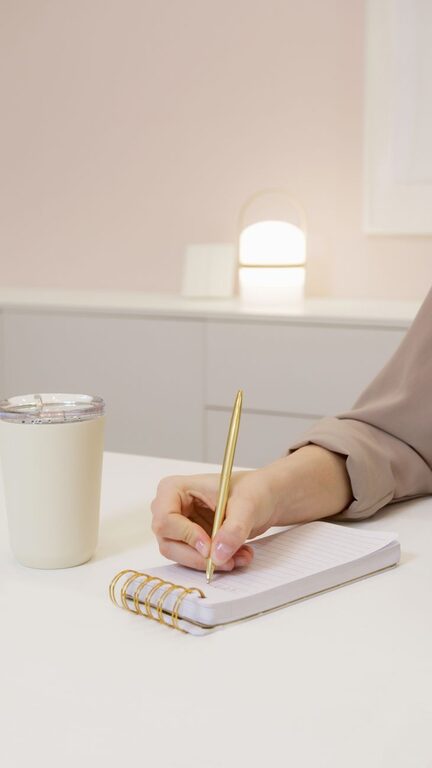
How to Choose a Notebook You’ll Actually Use
Choosing a notebook should be simple, but the number of sizes, page styles, covers, and paper types can make the decision surprisingly difficult. The best notebook is not necessarily the most expensive or attractive one. It is the one that fits naturally into your daily life and makes you want to use it.
Before buying one, think about what you want to write, where you will use it, and how much structure you prefer. A notebook that matches your habits is far more likely to become a useful part of your routine.
Start With Its Main Purpose
The first step is to decide what the notebook is for. A notebook designed for quick notes may not work well for sketching, while a daily planner may feel too restrictive for free writing.
Common uses include:
– Daily planning
– Work or school notes
– Journaling
– Ideas and brainstorming
– Lists and reminders
– Travel notes
– Drawing or lettering
– Tracking habits or projects
Try to choose one main purpose for each notebook. You can use a notebook for several related activities, but a very general purpose may make it harder to know what belongs inside.
For example, a notebook for daily planning might include appointments, tasks, and priorities. A separate notebook for ideas can be more flexible and less organized. Giving each notebook a clear role helps you reach for the right one when you need it.
Choose a Size That Fits Your Routine
Notebook size affects how often you will carry and use it. A large notebook gives you plenty of writing space but may stay at home. A small notebook is easy to take anywhere but can feel cramped.
Consider these common options:
Pocket notebooks
Small notebooks are useful for quick notes, shopping lists, reminders, and ideas that come to you during the day. They fit easily into a pocket or small bag.
Choose one if:
– You want something easy to carry
– You write short notes
– You often need to capture ideas quickly
Medium notebooks
A medium notebook offers a good balance between portability and writing space. It can work well for journaling, planning, class notes, and everyday writing.
This is often the most practical choice if you are unsure where to begin.
Large notebooks
Large notebooks are useful for detailed notes, project planning, long-form writing, and drawing. They provide room to spread out but are less convenient to carry.
Choose one if you usually write at a desk or need plenty of space on each page.
Pick the Right Page Layout
The page layout can determine whether a notebook feels helpful or frustrating. Think about how you naturally write and whether you prefer guidance or freedom.
Lined paper
Lined pages are a reliable choice for writing, lists, and notes. They help keep text neat and make it easy to use the notebook for several purposes.
Blank paper
Blank pages offer the most flexibility. They are good for sketches, diagrams, mind maps, lettering, and writing without visual restrictions.
Grid paper
Grid paper works well for planning, charts, diagrams, and neat handwriting. The lines provide structure without being as noticeable as traditional ruled lines.
Dotted paper
Dotted pages are popular for flexible planning and creative layouts. The dots can guide writing, boxes, calendars, and drawings while keeping the page visually clean.
Planner pages
Preformatted planners can make organizing your time easier, but they are less flexible. If your schedule changes often or you do not plan regularly, unused sections may become discouraging.
Choose a layout that supports the way you already think. Do not select a highly structured notebook simply because it looks organized.
Pay Attention to Paper Quality
Paper affects the writing experience and the types of pens you can use. If you have a favorite pen, bring it with you when shopping or check whether the notebook is known to work well with it.
Important paper features include:
– Thickness
– Smoothness
– Color
– Ink absorption
– Show-through from the other side
Thicker paper usually handles gel pens, markers, and fountain pens better. Thin paper may be perfectly suitable for pencils and ballpoint pens, especially if you prefer a lightweight notebook.
Paper color is also a personal choice. Bright white paper offers strong contrast, while cream or off-white paper may feel softer and more comfortable for long writing sessions.
If possible, test a few pages before buying. A notebook that feels good under your pen is more likely to encourage regular use.
Consider the Binding
The binding affects how a notebook opens and how comfortable it is to write in.
Spiral binding
Spiral notebooks often open flat and can be folded back on themselves. They are practical for notes and everyday use, though the spiral may feel uncomfortable under your hand.
Sewn binding
Sewn notebooks are durable and often open more smoothly than glued notebooks. They may cost more, but they can be a good choice for journals or records you want to keep.
Glued binding
Glued notebooks are usually affordable and simple. Some open flat, while others may need to be held down as you write.
Ring or disc binding
These systems allow pages to be moved, added, or removed. They are useful for people who like to rearrange information, but they can be bulkier than traditional notebooks.
Look for a notebook that stays open without a struggle. If you need one hand to hold the pages down, you may avoid using it.
Match the Notebook to Your Environment
Think about where you plan to use the notebook. A notebook that lives on your desk can be different from one that travels with you.
For a bag or backpack, consider:
– Weight
– Cover durability
– Size
– Resistance to bending
– Whether it fits your other items
For a desk notebook, you may prefer a larger format with more writing space. For travel, a sturdy cover and secure closure may matter more than page count.
You should also consider whether you need a notebook that can handle frequent handling, outdoor use, or occasional spills. A durable cover can protect the pages and make the notebook feel dependable.
Choose a Design You Enjoy Seeing
Appearance is not the most important feature, but it still matters. A notebook that looks appealing can make writing feel more inviting.
You might prefer:
– A simple, understated cover
– A bright color that is easy to spot
– A professional design for work
– A soft cover that feels lightweight
– A textured cover with a distinctive feel
Choose something that suits your taste without making the decision overly complicated. The goal is not to find a notebook that looks perfect on a shelf. It is to find one you enjoy opening.
Avoid Buying More Than You Need
It is easy to collect notebooks while waiting for the perfect idea, project, or routine. Having too many unused notebooks can make choosing one feel harder.
Before buying another notebook, ask:
- What will I use it for?
- Where will I keep it?
- What problem will it solve?
- Do I already own something suitable?
Starting with one notebook makes it easier to build a habit. You can always choose a different style later after learning what works for you.
Make the First Page Easy
Many people avoid using a new notebook because they want the first page to be perfect. This can turn a useful tool into a display item.
Instead, begin with something simple:
– Write your name and the date
– List a few current priorities
– Note what the notebook is for
– Add a short quote or reminder
– Start with today’s notes
A notebook becomes valuable through use, not perfection. The first page does not need to be special, and later pages do not need to look consistent.
The Best Notebook Is the One You Reach For
When choosing a notebook, focus on fit rather than trends. Consider its purpose, size, page layout, paper, binding, durability, and design. Then choose the simplest option that supports your routine.
If you are unsure, start with a medium-sized notebook, a flexible page layout, and paper that works with your favorite pen. Use it for a week or two and notice what you like and what gets in the way.
The right notebook should remove friction from writing. When it is comfortable, convenient, and suited to your habits, using it becomes a natural part of your day.
