How to Set Up a Family Command Center
A family command center is a central place for managing the details of everyday life. It can help keep schedules, reminders, school papers, keys, and household tasks organized and easy to find.
Your command center does not need to be large or expensive. A small wall, kitchen corner, entryway, or section of a countertop can work well. The key is to create a system that fits your family’s routines and is simple enough for everyone to use.
Choose the Right Location
Start by choosing a location that family members naturally pass throughout the day. The best spot is usually near the kitchen, entryway, garage door, or another busy area.
Consider these questions:
– Where do family members enter and leave the home?
– Where are backpacks, coats, and shoes usually placed?
– Is there enough wall or counter space?
– Does the area have good lighting?
– Can both adults and children reach the items they need?
– Is the location easy to see without blocking walkways?
Avoid placing the command center in a room that family members rarely use. A beautifully organized space will not be helpful if people forget to check it.
If you have limited space, use a narrow wall, the side of a cabinet, or the inside of a pantry door. A command center can be as small as a weekly calendar and a few hooks.
Decide What Your Family Needs
Before buying supplies, list the information and items your household needs to manage. Every family will have different priorities.
Common command center features include:
– A family calendar
– A place for incoming mail
– School or work paper storage
– Keys and small personal items
– A grocery list
– A meal planning area
– Notes and reminders
– Chore lists
– Permission slips or forms
– A charging station
– Bags, backpacks, or coats
Start with the essentials instead of trying to include everything at once. Too many components can make the area crowded and difficult to maintain.
For example, a basic command center might include a calendar, a mail sorter, a key rack, and one basket for papers that need attention. You can add more features after the main system becomes part of your routine.
Create a Family Calendar
A shared calendar is often the most important part of a command center. It gives everyone a quick view of upcoming activities, appointments, school events, deadlines, and household plans.
Choose a format that your family will actually use. Options include:
– A large monthly wall calendar
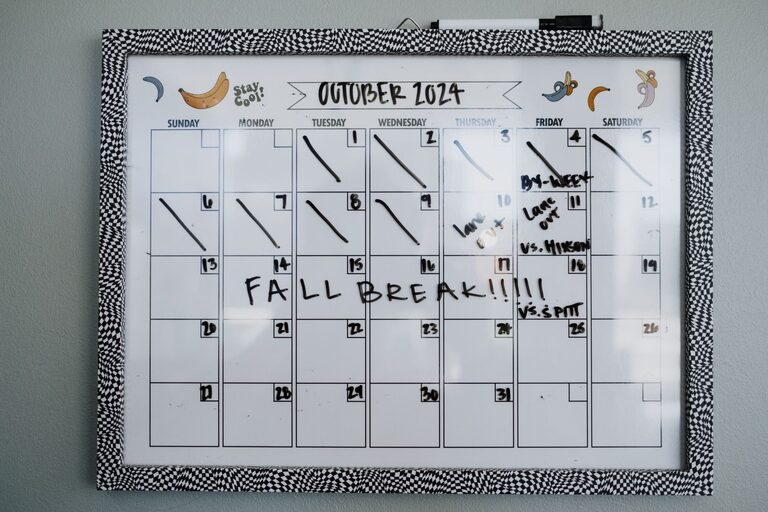
– A dry-erase calendar
– A weekly planner
– A digital calendar displayed on a tablet
– A combination of paper and digital tools
Use a simple color system if it makes the calendar easier to read. For example, each family member can have a different color, while household events can use a separate color.
Keep the system consistent. If one person’s activities are written in several colors or formats, the calendar may become confusing. Add details such as locations, start times, and items that need to be brought.
Review the calendar once a week. A short planning session can help identify busy days, transportation needs, and schedule conflicts before they become problems.
Add Paper Management
Paper can quickly overwhelm a command center, so give each type of paper a clear destination. Use labeled folders, baskets, or wall pockets.
Useful categories may include:
– To read
– To sign
– To file
– School papers
– Coupons and gift cards
– Receipts
– Outgoing items
Keep the system limited to a few categories. If there are too many folders, family members may not know where to place something.
Create a small action area for papers that require a response. This might include forms to sign, invitations, bills to review, or permission slips. Check this area regularly so important papers do not get buried.
Set up a separate place for papers that need to leave the house. An outgoing basket near the door can make it easier to remember library books, returns, forms, and packages.
Organize Keys and Everyday Items
A command center can reduce the time spent searching for frequently used items. Hooks, trays, and small containers are useful for keeping everyday belongings in one place.
Consider adding:
– A hook for each household member’s keys
– A tray for sunglasses and wallets
– A basket for reusable shopping bags
– A small container for spare keys
– Hooks for backpacks or purses
– A spot for pet leashes
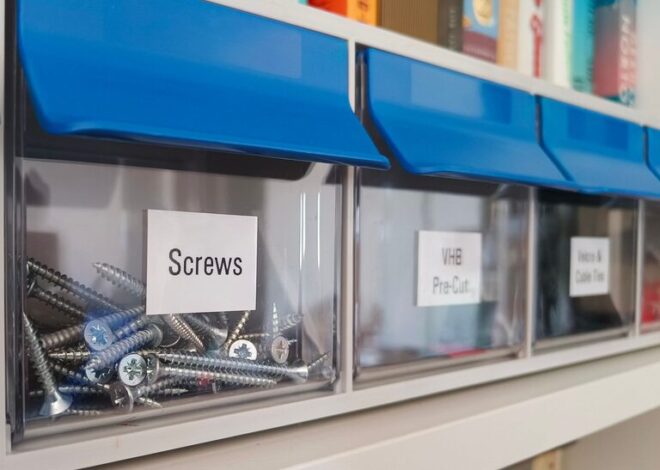
Label hooks or baskets if multiple people share the area. Children may find picture labels or simple names easier to use than general labels.
Avoid placing too many loose items in one tray. A tray that becomes a catchall can create more clutter. Give each item a specific home and remove things that do not belong there.
Include a Meal Planning Area
A small meal planning section can make grocery shopping and weekday routines easier. It does not need to be complicated.
You might include:
– A weekly meal plan
– A grocery list
– A list of favorite quick meals
– A space for recipes to try
– Notes about activities that affect dinner plans
Place the grocery list where family members can add items as they run out. A magnetic notepad, dry-erase board, or shared digital list can work well.
Plan meals around the week’s schedule. On busy evenings, choose simple meals or leftovers. This approach can reduce last-minute decisions and help you shop with a clearer plan.
Make It Easy for Children to Use
A family command center works best when children can participate. Place frequently used items at a height they can reach safely.
Children can use the command center to:
– Check the family schedule
– Place school papers in the correct folder
– Hang up backpacks
– Add items to the grocery list
– Review chore reminders
– Prepare items for the next day
Use clear labels and simple instructions. If a child is too young to read, pictures or colors can help identify baskets and hooks.
Avoid using the command center only as a place for corrections or reminders. Include positive routines, such as a checklist for getting ready in the morning or preparing for bedtime.
Keep the Design Simple
The command center should support your home, not become another source of work. Choose materials that are durable, easy to clean, and appropriate for the space.
Helpful supplies may include:
– Wall hooks
– Baskets
– File holders
– Magnetic clips
– Dry-erase boards
– Labels
– Small trays
– A wall calendar
– A bulletin board
Use a consistent color scheme or matching containers if you prefer a neat appearance. However, function matters more than decoration.
Leave some open space for new papers and temporary items. A full command center is harder to use and maintain than one with room to grow.
Establish a Maintenance Routine
Even a well-designed command center needs regular attention. Set aside a few minutes each day to return items to their places and remove outdated information.
A weekly reset might include:
- Reviewing the calendar for the upcoming week
- Removing expired notices and old lists
- Sorting papers into action, filing, or recycling
- Updating the meal plan and grocery list
- Returning keys and small items to their assigned spots
- Checking that bags and forms are ready for the next day
Use the reset as a chance to improve the system. If papers often collect in one area, that may be a sign that the category labels need to change. If a basket is rarely used, replace it with something more practical.
Build a System That Fits Your Family
The best family command center is one that matches your household’s habits. It may be a wall of labeled baskets, a small entryway station, a shared digital calendar, or a combination of several tools.
Start small, make responsibilities clear, and adjust the setup as your family’s needs change. With a few useful features and a regular maintenance routine, a command center can make daily planning easier and help everyone know where to find what they need.