
Easy DIY Wall Decor Ideas to Refresh Any Room
Blank walls can make a room feel unfinished, but decorating them does not have to be expensive or complicated. With a few basic supplies and a little creativity, you can make attractive wall decor that reflects your style.
These easy DIY ideas work in living rooms, bedrooms, home offices, entryways, and more. Choose one project for a quick refresh or combine several to create a layered gallery wall.
1. Create a Simple Gallery Wall
A gallery wall is one of the easiest ways to add personality to a plain space. You can display photographs, art prints, postcards, children’s drawings, or meaningful objects.
What you need
– Picture frames in different sizes
– Printed artwork or photographs
– A pencil
– Measuring tape
– Painter’s tape
– Nails or removable wall hooks
Start by arranging your frames on the floor. Try different layouts until you find one that feels balanced. A mix of frame sizes can create an informal look, while matching frames give the display a more polished appearance.
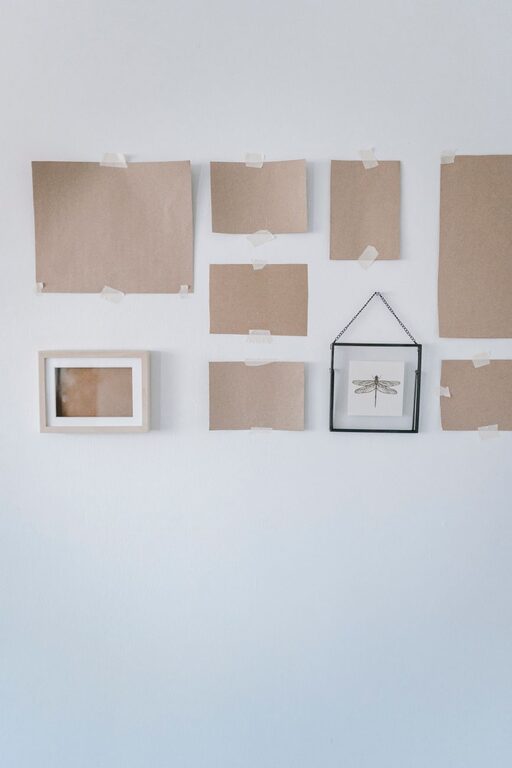
To avoid unnecessary holes, use painter’s tape to mark the outside edges of each frame on the wall. You can also cut paper templates the size of your frames and tape them up before hanging anything.
Keep the spacing between frames fairly consistent. Even a relaxed arrangement looks more organized when the gaps are similar.
2. Make a Fabric Wall Hanging
Fabric wall hangings add softness, color, and texture to a room. They are especially useful for bedrooms, reading corners, and cozy living spaces.
Choose fabric with a pattern or color that complements your existing decor. A scarf, lightweight blanket, table runner, or fabric remnant can work well.
Basic method
- Cut a wooden dowel slightly wider than the fabric.
- Fold the top edge of the fabric over the dowel.
- Secure the fold with fabric glue, hand stitching, or iron-on adhesive.
- Tie string or cord to both ends of the dowel.
- Hang the piece from a wall hook.
For extra detail, add fringe, tassels, ribbon, or several strips of fabric in different colors. You can also layer smaller fabric pieces over a larger background for a more artistic design.
3. Design a Painted Geometric Accent
You do not need advanced painting skills to create eye-catching wall art. Simple shapes such as arches, blocks, stripes, and half circles can make a strong visual statement.
Use a pencil and measuring tape to sketch your design lightly. Painter’s tape can help create clean lines, while a small brush is useful for corners and edges.
Consider using two or three colors from the room’s existing palette. For example, warm beige, terracotta, and cream can create a relaxed look. Soft blue, white, and gray can feel calm and fresh.
If you are not ready to paint the wall directly, create the design on a large canvas or a set of smaller canvases. This also makes it easier to change the decor later.
4. Build a Nature-Inspired Display
Natural materials can bring warmth and texture indoors. A simple branch display is an affordable way to create a decorative focal point.
Find a dry, clean branch with an interesting shape. Make sure it is free from insects, dirt, and loose bark. You can leave it natural or paint it white, black, or another color.
Attach the branch to the wall using strong hooks or brackets. Then hang lightweight decorations from it, such as:
– Dried leaves
– Paper shapes
– Small photographs
– Fabric strips
– Artificial flowers
– Lightweight ornaments
Another option is to frame pressed leaves or flowers. Place them between two sheets of glass or inside a simple frame. Arrange several botanical prints together for a calm, nature-inspired gallery.
5. Use Baskets as Wall Decor
Decorative baskets are not only useful for storage. When grouped together, they can create an attractive textured display.
Choose baskets in different sizes, shapes, and natural tones. Lay them on the floor first to test the arrangement. A balanced display usually looks better when larger baskets are mixed with smaller ones.
Use sturdy hooks suited to the weight of each basket. If the baskets are lightweight, removable hanging strips may be enough, but always check the product instructions and weight limits.
This idea works especially well in dining areas, entryways, and living rooms. The woven texture can add warmth without making the wall feel too busy.
6. Make a Photo Clothesline
A photo clothesline is a casual and flexible way to display memories. It is also easy to update whenever you want a new look.
Stretch a length of string, twine, or thin wire across the wall. Secure both ends with hooks. Use small clips to attach photographs, postcards, notes, or artwork.
You can create one long line or arrange two or three shorter lines vertically. Add small decorative elements, such as paper stars or dried flowers, between the pictures.
For a more finished appearance, place the display inside a large empty frame. The frame gives the casual arrangement a clear boundary and helps it look intentional.
7. Turn Shelves Into Decorative Displays
Floating shelves allow you to decorate your walls while adding useful storage. They are ideal for displaying books, small plants, candles, framed photos, and collected objects.
Install one long shelf for a clean, simple design, or group several smaller shelves in an offset arrangement. Keep the display from becoming overcrowded by leaving some open space between items.
Try arranging objects in groups of three, using different heights and shapes. For example, pair a small plant with a framed print and a decorative bowl. Change the items seasonally to keep the wall feeling fresh.
Before installing shelves, check that they are securely attached to the wall and suitable for the weight you plan to display.
8. Add a Mirror With a DIY Frame
A mirror can make a room feel brighter and more spacious. Instead of buying an expensive framed mirror, create a custom frame around a basic one.
Use wooden trim, bamboo pieces, rope, or painted molding. Measure carefully before cutting materials, and use an appropriate adhesive or mounting hardware.
You can stain the frame for a natural look, paint it a bold color, or keep it simple with a neutral finish. A round mirror with a woven or wooden frame works well in entryways, while a rectangular mirror can suit bedrooms and living rooms.
Tips for a Successful DIY Wall Decor Project
Before starting, consider the size of the wall and the furniture beneath it. Large walls may need a wide arrangement, while small walls often look best with one strong focal point.
Keep these tips in mind:
– Test your layout on the floor first.
– Use painter’s tape to mark positions.
– Choose colors that connect with the rest of the room.
– Mix textures, but avoid using too many competing patterns.
– Check the weight of each item before hanging it.
– Use removable hooks when you want a renter-friendly option.
– Save leftover paint and materials for future touch-ups.
The best wall decor does not have to look perfect. Handmade details, personal photographs, and collected pieces can make a room feel more welcoming than generic decorations. Start with one simple project, then build your display over time as you discover what suits your space and style.
