Small Space Storage Ideas That Actually Work
Small spaces can feel crowded quickly, but limited square footage does not have to mean constant clutter. The right storage solutions can help you use overlooked areas, keep everyday items within reach, and make rooms feel more open.
The key is to choose storage that fits your habits and your home. Instead of adding more containers everywhere, focus on making each item easier to store, find, and put away. These practical ideas work in apartments, compact homes, dorm rooms, and small offices.
Start by Using Vertical Space
When floor space is limited, look up. Walls often provide valuable storage space without reducing the room’s walking area.
Install Wall Shelves
Wall-mounted shelves are useful in nearly every room. Use them to store books, baskets, folded linens, plants, or decorative items. In a kitchen, shelves can hold spices, mugs, and cooking tools. In a bathroom, they can keep towels and toiletries organized.
For a cleaner appearance:
– Use matching baskets or boxes for small items.
– Place frequently used items on lower shelves.
– Keep the highest shelves for items you use less often.
– Leave some open space so the shelves do not look crowded.
Use the Back of Doors
The back of a door is an often-overlooked storage area. Over-the-door organizers can hold shoes, cleaning supplies, accessories, pantry items, or personal care products.
Choose an organizer based on the door’s clearance. Some designs are shallow and work well in narrow spaces, while others have deeper pockets for larger items. Check that the door can still open and close comfortably before filling every pocket.
Add Hooks and Pegboards
Hooks are simple, affordable, and flexible. Install them near an entryway for coats and bags, in a bedroom for hats and scarves, or in a kitchen for utensils and towels.
A pegboard offers more flexibility because hooks and shelves can be moved as your storage needs change. It is especially useful for craft supplies, tools, office materials, and frequently used kitchen equipment.
Choose Furniture With Built-In Storage
In a small room, every piece of furniture should earn its space. Furniture with built-in storage can serve two purposes without making the room feel overfilled.
Look for Beds With Drawers
The space under a bed is ideal for clothing, extra bedding, luggage, and seasonal items. A bed frame with built-in drawers provides easy access and keeps stored items protected from dust.
If you already have a bed without drawers, use low rolling bins or soft storage bags. Measure the available space before buying containers, and choose options with handles or wheels for easier access.
Select Ottomans and Benches With Hidden Storage
An ottoman, bench, or window seat with a lift-up top can provide seating and storage in one piece. These items are useful in living rooms, bedrooms, and entryways.
Use hidden storage for items you need occasionally, such as blankets, board games, guest towels, or seasonal accessories. Avoid storing daily essentials inside a container that is difficult to open.
Consider a Drop Leaf Table
A drop leaf table can function as a dining table, desk, or work surface when needed. Fold down one or both sides when the space needs to be cleared. This type of furniture is especially useful in kitchens and multipurpose rooms.
Make Closets Work Harder
A small closet often becomes disorganized because it has unused vertical space and only one hanging rod. A few simple changes can increase its capacity.
Add a Second Hanging Rod
A second rod can double the amount of hanging space for shorter items such as shirts, skirts, and folded trousers. Place the rods at different heights so both levels remain easy to access.
Keep longer clothing, such as coats and dresses, in a separate section. This prevents the lower items from dragging on the floor.
Use Slim Hangers
Thick hangers take up more room than necessary. Slim, nonslip hangers create extra space without requiring a larger closet. Use the same style throughout the closet for a more orderly look.
Store Small Items in Bins
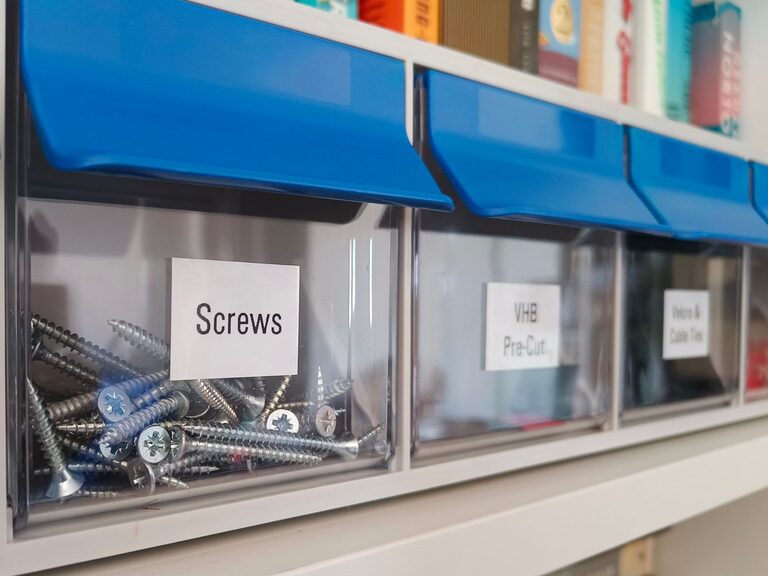
Small bins or drawer organizers can keep belts, scarves, accessories, and folded clothing from becoming mixed together. Labeling each bin makes it easier to return items to the correct place.
Do not fill every container to the top. A little extra room makes it easier to remove and replace items without creating a mess.
Improve Kitchen Storage
Kitchens often have many small tools, which makes them challenging to organize in a limited area. Grouping similar items and using clear storage zones can make a major difference.
Use Cabinet Door Organizers
The inside of a cabinet door can hold cutting boards, measuring cups, pot lids, wraps, or cleaning supplies. Choose lightweight organizers that will not interfere with shelves or cabinet hinges.
Add Shelf Risers
Shelf risers create a second level inside cabinets. They are useful for plates, bowls, mugs, and canned goods. Instead of stacking everything in one tall pile, risers make each item easier to see and reach.
Use Drawer Dividers
Drawer dividers prevent utensils and kitchen tools from shifting into one large pile. Adjustable dividers are useful because they can be changed as your needs change.
For deep drawers, consider storing items vertically. A narrow divider can keep baking sheets, cutting boards, and trays upright and accessible.
Create Order in the Entryway
A small entryway can become cluttered with shoes, bags, jackets, and mail. Even a narrow wall can support a useful storage system.
Try combining:
– A row of wall hooks for coats and bags
– A narrow bench for sitting while putting on shoes
– Baskets beneath the bench for shoes or accessories
– A small tray for keys and other daily items
– A wall-mounted shelf for mail and paperwork
If you do not have a separate entryway, create one near the main door with a few clearly defined storage zones. Keeping these items together prevents them from spreading into other rooms.
Use Corners and Narrow Gaps
Corners and narrow spaces may not fit standard furniture, but they can still provide useful storage.
A tall, narrow shelving unit can fit beside a refrigerator, desk, or bathroom vanity. Corner shelves can hold books, plants, toiletries, or kitchen supplies. A slim rolling cart can slide between appliances or furniture and provide extra storage that can be moved when needed.
Before buying anything for a narrow gap, measure the width, height, and depth. Also consider baseboards, door swings, and nearby outlets.
Store Items by Frequency of Use
Good storage is not only about capacity. It is also about convenience. Keep everyday items in the easiest places to reach and move occasional items to higher or less accessible areas.
For example:
– Store daily dishes at eye level.
– Keep seasonal clothing in under-bed containers.
– Place cleaning supplies near the area where they are used.
– Store important documents in one labeled file box.
– Keep spare toiletries together in a bathroom cabinet or bin.
This approach reduces unnecessary searching and makes tidying up faster.
Avoid Adding Too Many Containers
Containers can help, but too many can make a small space feel even more crowded. Before purchasing new storage products, sort through what you already own and remove items you no longer use.
Choose containers that match the space and the items being stored. Clear boxes are helpful when you need to see the contents. Covered baskets may be better for open shelves where you want a calmer appearance.
The most effective storage system is one that is easy to maintain. If putting something away takes several steps, it is less likely to happen regularly.
Make Storage Part of the Room Design
Storage does not have to look purely practical. Matching baskets, coordinated shelves, and attractive hooks can make storage feel like part of the decor.
Use a consistent color or material where possible. Wood, fabric, metal, and woven baskets can each create a different look, but a limited selection will help the room feel more organized.
Small spaces work best when every item has a clear purpose and a convenient home. By using vertical areas, choosing multipurpose furniture, improving closets, and organizing items by frequency of use, you can create a home that feels calmer without adding unnecessary bulk.

Related Posts